

Metal to Plastic Conversions
Smarter, Lighter, More Efficient Design
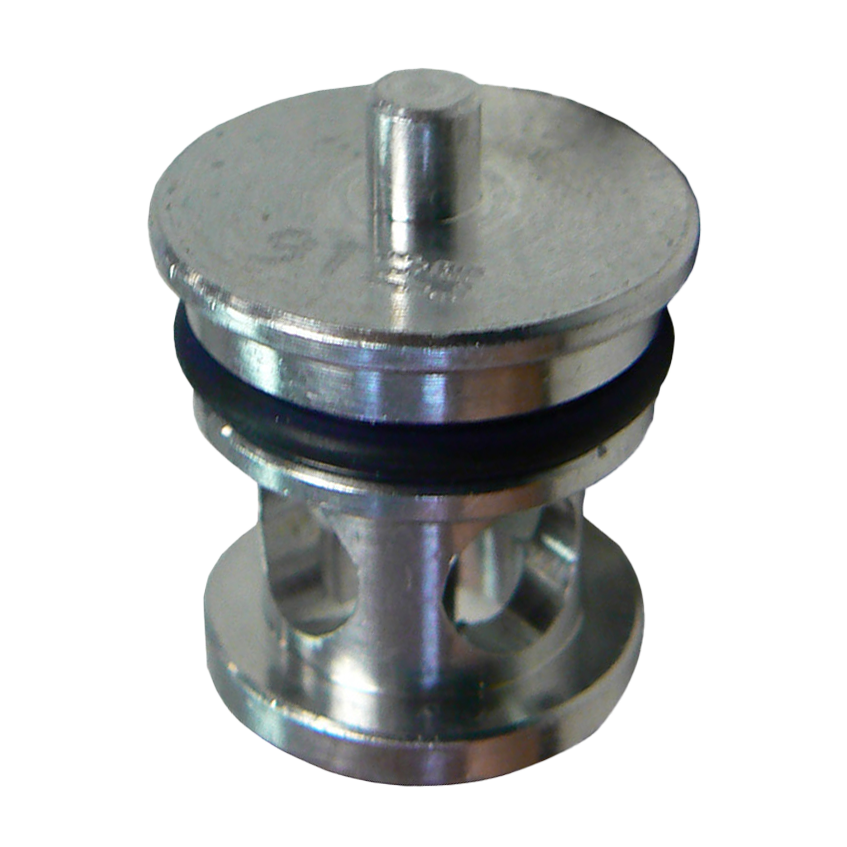
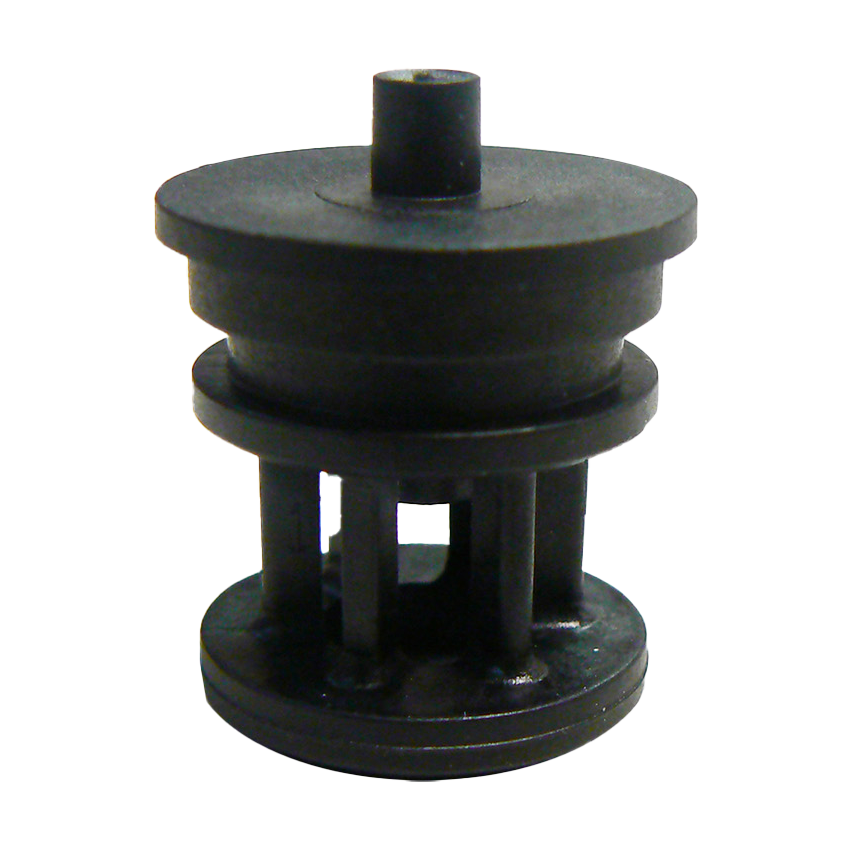
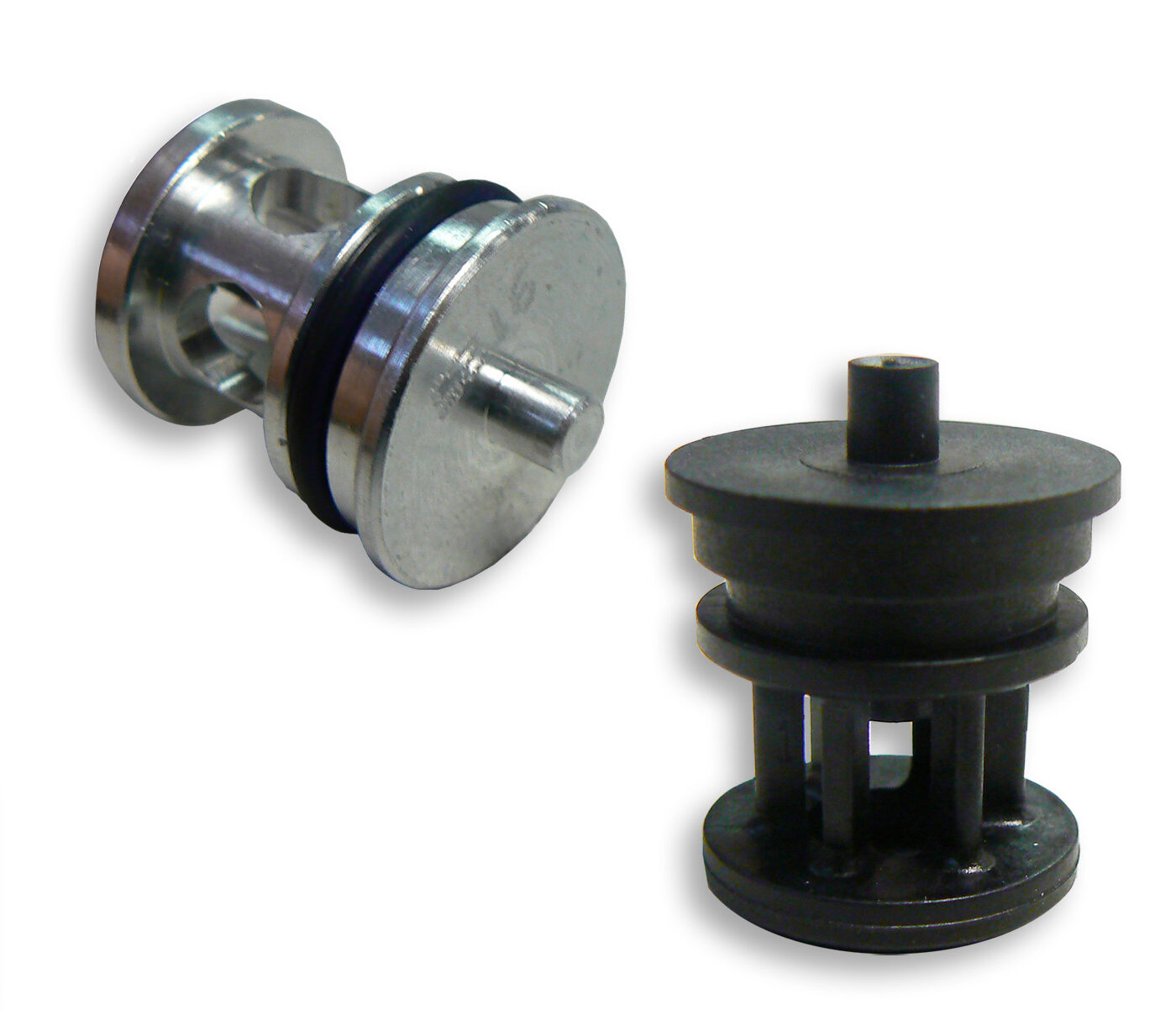
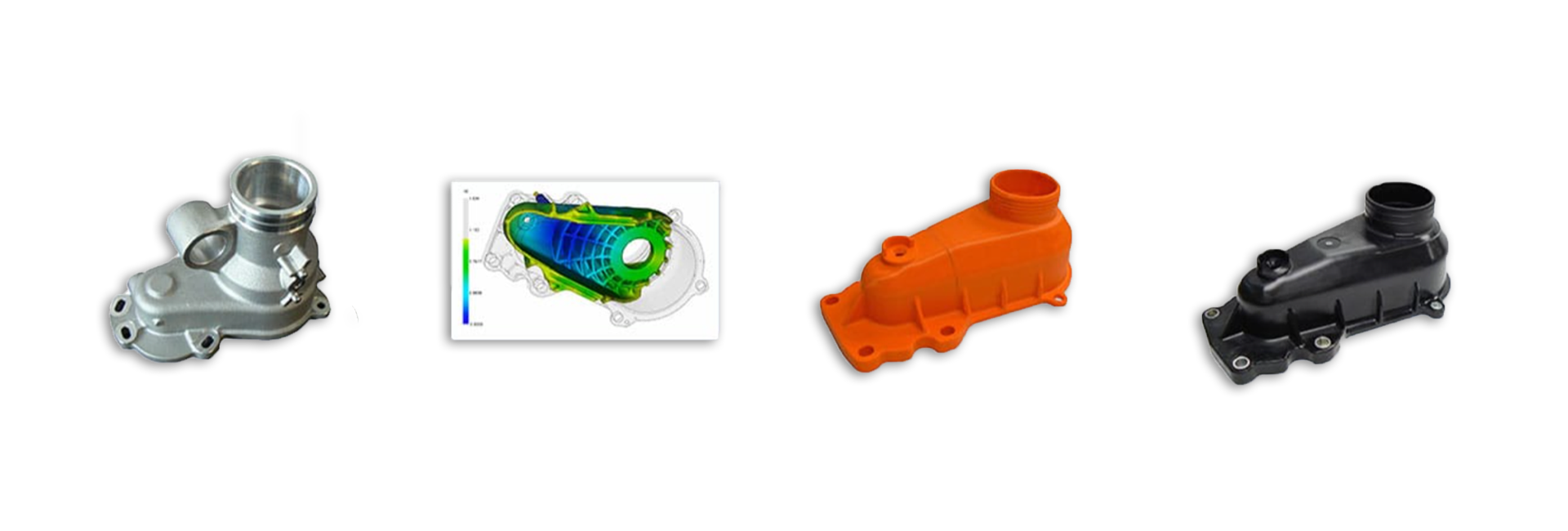
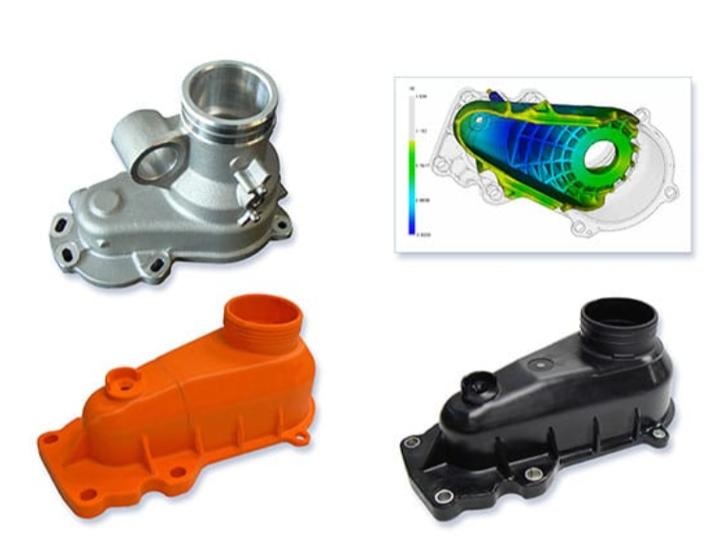
Metal-to-plastic conversion is the process of redesigning traditionally metal components using high-performance engineered resins. This shift reduces weight, eliminates corrosion, lowers cost, and improves manufacturing efficiency, while maintaining or improving the part’s mechanical performance.
At National Molding, we help customers modernize legacy designs and unlock new performance advantages by replacing metal parts with advanced polymer solutions. Metal-to-plastic conversion requires the right combination of engineering expertise, material science, and molding capability.
How We Deliver Successful Conversions
Metal-to-plastic conversion requires the right combination of engineering expertise, material science, and molding capability. Our team guides you through every stage of the process:
Engineering Evaluation & Design Support
We analyze the original metal component, define performance requirements, and re-engineer the part for optimized geometry, moldability, and strength.
Material Selection Expertise
Using engineered resins—including reinforced, high-strength, high-temperature, or specialty blends—we match the polymer to your structural, environmental, and regulatory needs.
Structural & Moldflow Analysis
Simulations and testing ensure the part meets load, impact, and durability requirements before tooling begins.
Tooling Designed for Success
Precision tooling supports dimensional stability, consistent wall thickness, and structural integrity—critical when converting from metal to plastic.
Scalable Production & Validation
From prototypes to high-volume manufacturing, we validate the process for repeatability, quality, and long-term performance.
Applications Across Industries
We’ve supported metal-to-plastic conversion programs for:
- Automotive components
- Consumer and appliance parts
- Tactical hardware
- Industrial housings and mechanisms
- Life science device components
Whether the goal is weight reduction, enhanced durability, or improved manufacturability, our team helps you identify the right path forward.
Why Convert from Metal to Plastic?
A well-executed conversion offers significant performance and cost advantages.
Reduced Weight – Lighter components improve ergonomics, efficiency, and end-use performance.
Lower Cost – Materials, machining, and assembly costs decrease significantly with optimized plastic designs.
Corrosion Resistance – Plastic eliminates rust, oxidation, and environmental degradation.
Design Freedom – Integrate features such as snaps, threads, hinges, and ribs directly into the molded part.
Energy & Efficiency Gains – Faster production cycles and more efficient part consolidation.
Consistent Quality – Injection molding delivers tight tolerances and repeatable results.
National Molding
Let’s Redesign for Better Performance
If you have a legacy metal part - or a design you think could perform better - we’ll help you evaluate the opportunity.